altlovesbooks started reading Every Rising Sun by Jamila Ahmed
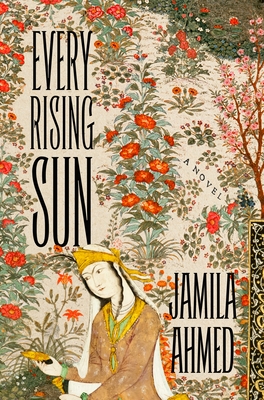
Every Rising Sun by Jamila Ahmed
In this riveting take on One Thousand and One Nights , Shaherazade, at the center of her own story, uses …
I read a lot. Like, a lot, a lot. I’ve been reaching for a way to talk about books with people who care about books for a long time, and haven’t quite gotten it right yet.
I don’t have a preferred genre. I started reading fantasy as a kid, but have since branched out in many (many) different ways. If it has words, I’ll more than likely read it, especially if it comes recommended.
I'm also an actual honest-to-god librarian, am very active on the Book Lover’s Club Discord server, and play video games. I have a lot of things going at once, because I can’t stand to be idle.
I have (in order of preference) one husband, two cats, no kids.
This link opens in a pop-up window
In this riveting take on One Thousand and One Nights , Shaherazade, at the center of her own story, uses …
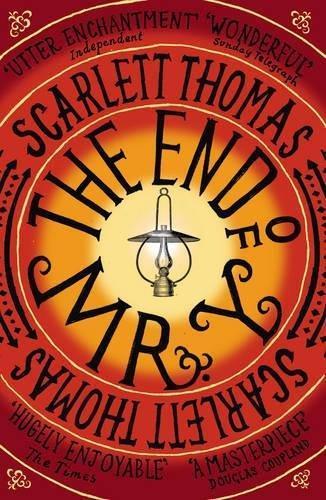
When Ariel Manto uncovers a copy of The End of Mr. Y in a second-hand …
I'm not super into philosophy and theology, and I'm especially not super into mice sex. Maybe I'm not the right person for this book.
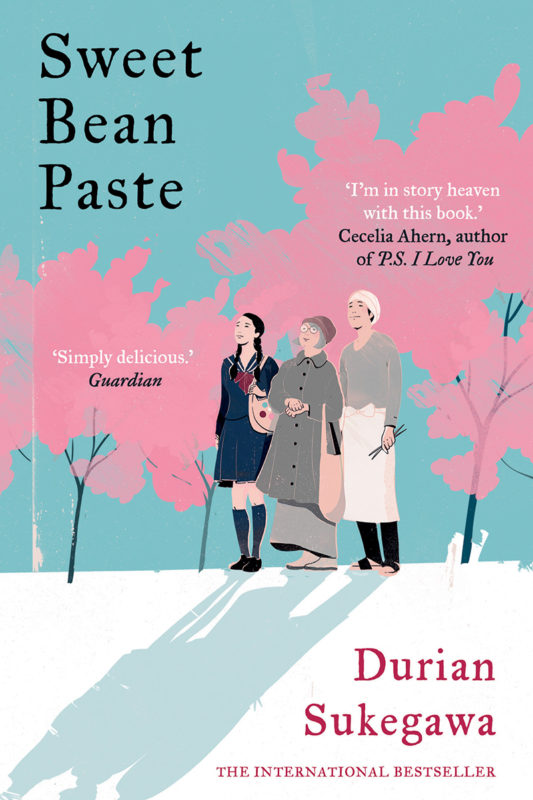
Sentaro has failed. He has a criminal record, drinks too much, and his dream of …
Content warning major plot point/ending spoilers here
”Bean paste is all about feeling, young man.”
A weirdly calming read about an ex-convict’s dorayaki shop and the mysterious elderly Tokue he hires for basically peanuts. I say weirdly calming, because this book went places that I wasn’t expecting from the summary. I had some serious mood whiplash moments while reading this short, sweet, ultimately sad little novel.
Ex-convict Sentaro runs a dorayaki shop to pay off a debt. He’s making a rough go of it initially, because while he makes the pancakes from scratch, he buys pre-made sweet bean paste (name drop!) rather than make it from scratch. As a result his sweets are middling at best, and he doesn’t get much foot traffic as a result. Tokue, elderly woman with strangely twisted, ugly hands, starts hanging around his shop trying to get Sentaro to hire her. At first he refuses, but it’s only when she names some minuscule sum of money as her wage in exchange for making her sweet bean paste from scratch for him that he reluctantly hires her on. What follows is the two of them turning the shop around–until we start learning more about Tokue and her past.
I went into this blind, so when Tokue’s big reveal came, I was sort of floored. Leprosy was definitely not on my list of potential baggage. I was thinking more like dementia or homelessness or something. Regardless, this ended up being a pretty touching read for something so mood whiplash-y. I do sort of wish we find out how Sentaro ends up; I was rooting for him to open his own shop modeled after Tokue’s sweet bean paste, but the book ends before we get that far.
Still, a good, quick read. I sort of wish I had my own dorayaki to eat while reading this.
Sentaro has failed. He has a criminal record, drinks too much, and his dream of becoming a writer is just …
“Courage is facing that which is within your strength to face but doing so does not guarantee your victory.”
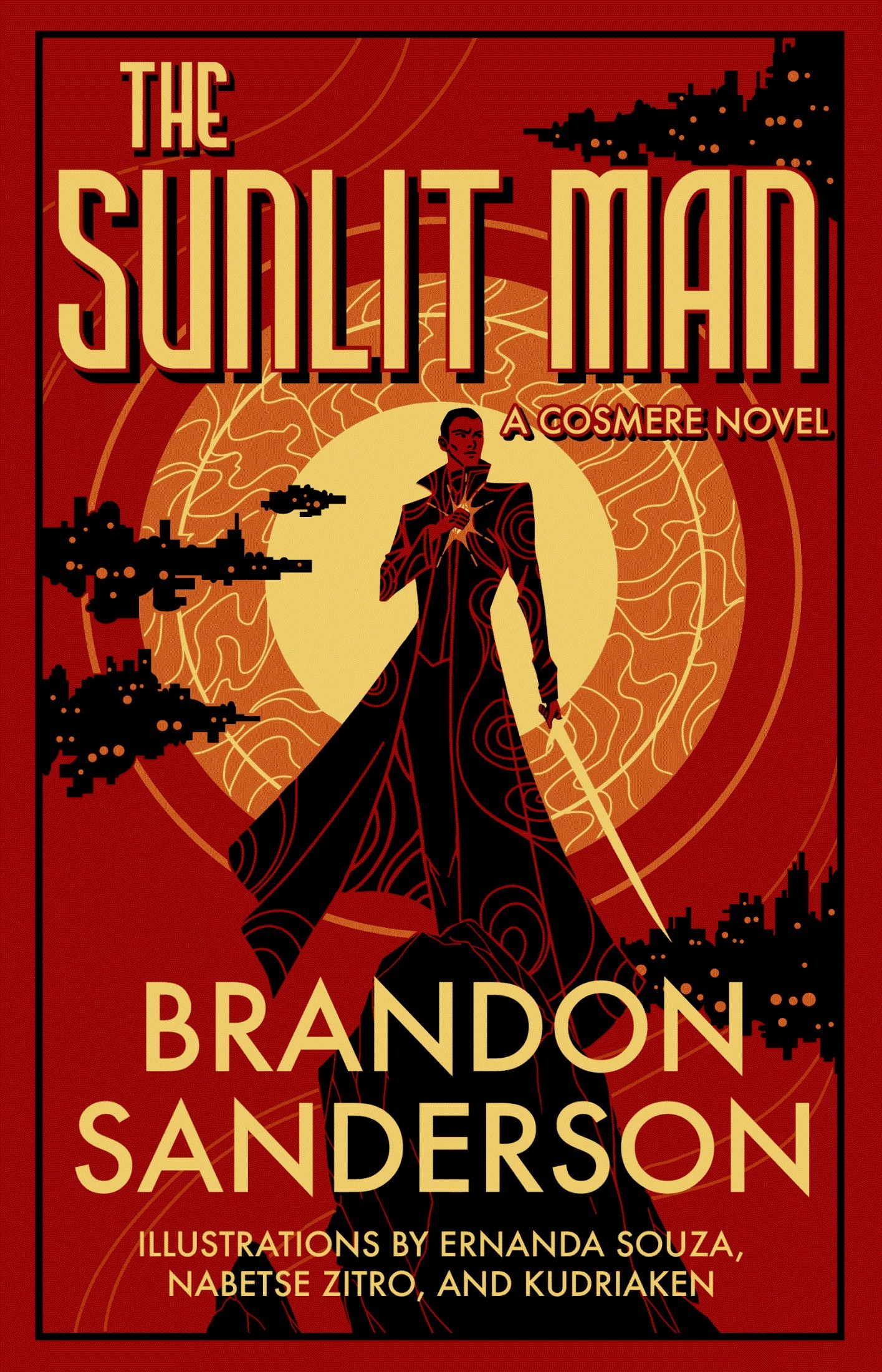
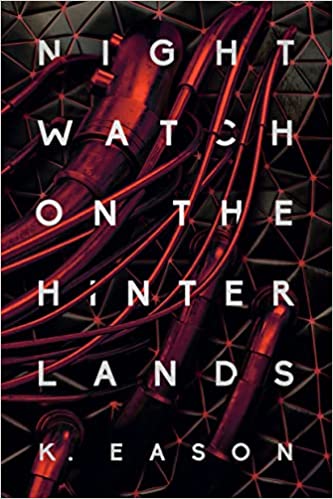
What a delightful little murder mystery in a sci-fi setting with delightful characters and a well fleshed out world. Evidently this book is set in the same universe as some of the author’s other books, but this is very clearly able to be read without prior knowledge. This book just clicked with me in a way that’s hard to describe, but I think has a lot to do with giving my imagination just enough rope to imagine being in the same city on the same world with the same problems, but not too much rope that I felt lost. It’s a delicate balancing act with sci-fi that I think the author does very well.
Lieutenant Iari, a tenju Templar, and Gaer the ambassador she’s supposed to be protecting investigate a mysterious …
“Courage is facing that which is within your strength to face but doing so does not guarantee your victory.”
What a delightful little murder mystery in a sci-fi setting with delightful characters and a well fleshed out world. Evidently this book is set in the same universe as some of the author’s other books, but this is very clearly able to be read without prior knowledge. This book just clicked with me in a way that’s hard to describe, but I think has a lot to do with giving my imagination just enough rope to imagine being in the same city on the same world with the same problems, but not too much rope that I felt lost. It’s a delicate balancing act with sci-fi that I think the author does very well.
Lieutenant Iari, a tenju Templar, and Gaer the ambassador she’s supposed to be protecting investigate a mysterious death outside the bar they’re relaxing at, and get wrapped up in a complex web of half truths and outright lies. A dead wichu artificer is at the heart of the mystery, and witnesses say she was slain by a riev (half man, mostly machine) gone rogue. Investigating the rievs leads Iari to Char, a damaged riev who chips in on the investigation and causes Iari to question a lot of what she (and basically everyone) thought they knew about the riev and what they were capable of. There’s a lot more to the investigation, but in the interest of not including spoilers, I’ll just say that it’s better read than summarized.
If you couldn’t tell from my summary, there’s a lot of world building and lore thrown around, sometimes in a very short period of time. You’ll either love it (as I did) or find it too chaotic and confusing and bounce off hard. I also love how real and alive the characters felt, and the snappy dialogue in parts was one of my favorite experiences in reading this book. Each character felt different and unique, and there’s even something there for the shippers in the audience.
It is quite complex though, and it moves fast. The names can be particularly difficult, though I listened to the audiobook and had an easier time there, I think, particularly when it came to wichu naming conventions. If you need things explained, or if you need time to let complex ideas involving politics, history, or intricate magic systems settle, this might not be for you.
But it definitely was for me, and I’ve already got book two on my radar to pick up soon. I want some movement on my Iari x Gaer ship.
When Ariel Manto uncovers a copy of The End of Mr. Y in a second-hand bookshop, she can't believe her …
Sentaro has failed. He has a criminal record, drinks too much, and his dream of becoming a writer is just …
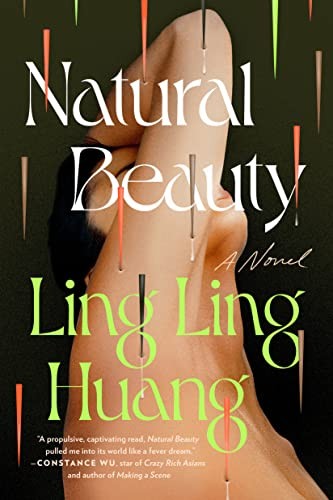
Sly, surprising, and razor-sharp, Natural Beauty follows a young musician into an elite, beauty-obsessed world …
Content warning Spoilers.
What, and I say this with all the intensity and fervor I can, the fuck.
If it wasn't so late in the year, if I weren't just barely keeping up with my Goodreads goal, this would've been a DNF almost immediately. Instead I said fuck it, let's see where this goes.
A weird body horror sex cult/human testing facility posing as a holistic makeup brand owned by a pedophile and managed by a woman nursing a monkey and who replaces her eyes with diamonds, is where it went.
The sacrifices I make for my Goodreads goal.
Sly, surprising, and razor-sharp, Natural Beauty follows a young musician into an elite, beauty-obsessed world where perfection comes at a …
Sly, surprising, and razor-sharp, Natural Beauty follows a young musician into an elite, beauty-obsessed world where perfection comes at a …
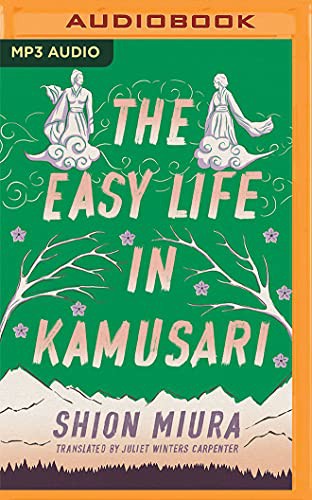
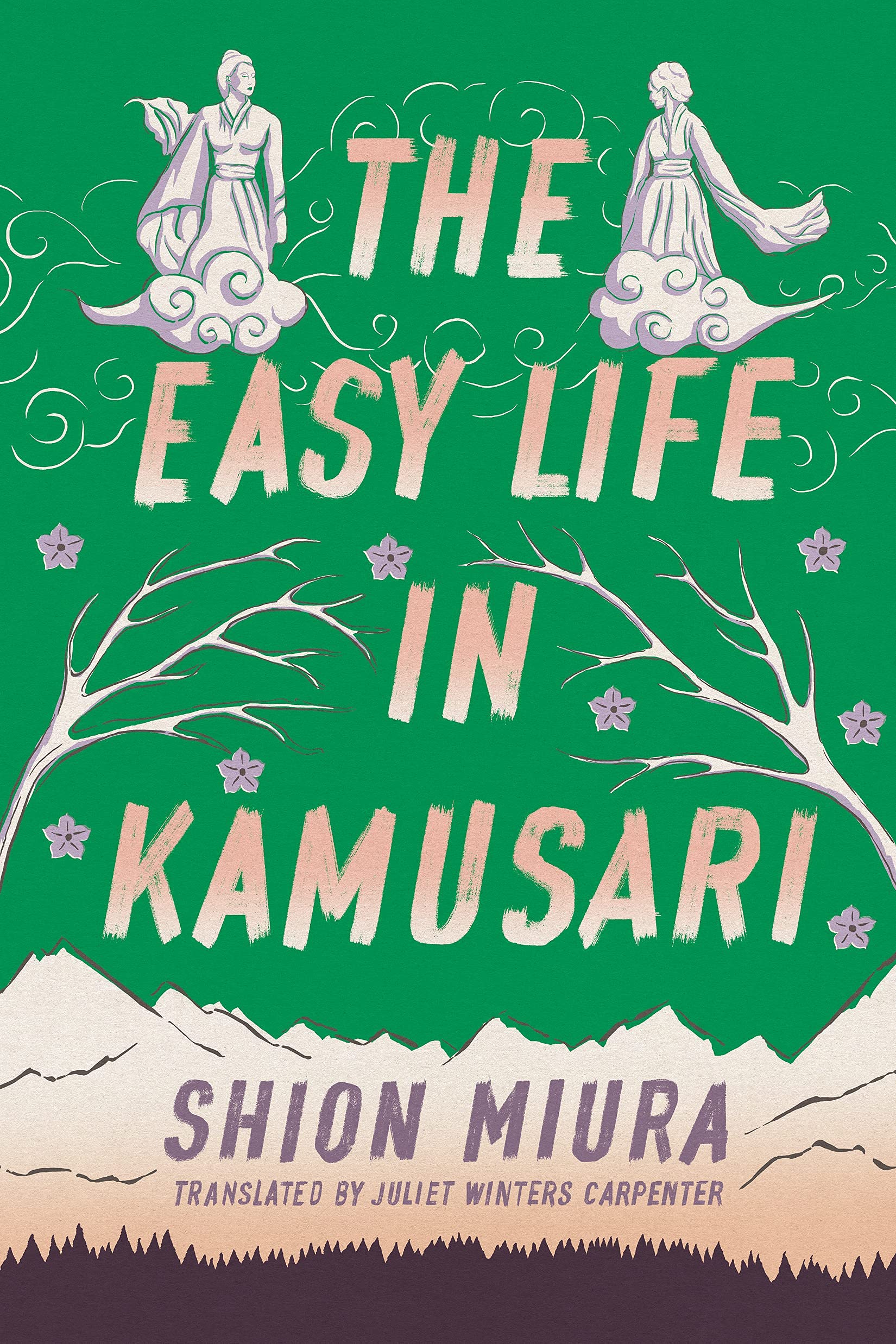
Back in 2017 when I was still a very new and fresh library volunteer making new and fresh library volunteer mistakes, I remember having a conversation with the then-Technician in charge of the library about favorite books (hi Julianne!). Maybe I asked naively “what’s your favorite book?” not realizing how hard a question that was to answer, I really don’t remember. What I do recall from the conversation was her recommending Shion Miura’s The Great Passage with a lot of caveats about it being a book about writing a dictionary and how it doesn’t sound interesting at all, but was actually a good book. I dutifully noted it down (I remember wanting to branch out on my reading interests, because at the time I was reading basically just fantasy, and not a lot of it at that), and picked it up during the next Kindle sale. It was delightful. …
Back in 2017 when I was still a very new and fresh library volunteer making new and fresh library volunteer mistakes, I remember having a conversation with the then-Technician in charge of the library about favorite books (hi Julianne!). Maybe I asked naively “what’s your favorite book?” not realizing how hard a question that was to answer, I really don’t remember. What I do recall from the conversation was her recommending Shion Miura’s The Great Passage with a lot of caveats about it being a book about writing a dictionary and how it doesn’t sound interesting at all, but was actually a good book. I dutifully noted it down (I remember wanting to branch out on my reading interests, because at the time I was reading basically just fantasy, and not a lot of it at that), and picked it up during the next Kindle sale. It was delightful. I’ve been trying to get my friends to pick it up ever since to give me an excuse to re-read and review it properly. And now here we are, six years later, with me in the Technician role, revisiting Shion Miura, and feeling like a great many things have come weirdly full circle in my life.
Much like Miura’s The Great Passage, this book takes a mundane, overlooked, not really thought about task and gives it a quiet meaningfulness. Our main character, Yuki, is fresh out of high school in the city without a goal in life, when his parents decide to ship him off to Kamusari’s forestry training program. They’ve got more important things going on in their life, see, and wouldn’t it be good for their son to learn a trade, get some fresh air, and get out of the city? So Yuki arrives in this tiny village with no cellphone signal, no night life, no real entertainment to speak of, and has to navigate the pitfalls inherent with learning a new job in a small village where everyone knows everyone else. The novel is Yuki’s journal chronicling a year in his life in Kamusari, where he starts slow, makes mistakes, feels like an outsider, but then slowly starts fitting in, both in his job and in his outlook.
This is a short book and not a lot happens. But the way the environment is described, the way you get to know the village and its residents, the way you come along with Yuki as he hikes up mountains, fells trees, and participates in local ceremonies and festivals is really what carries this book. There’s the barest hint of magical realism present in the book, but only in that Mt. Kamusari watches and protects its residents who, in turn, care for and maintain Mt. Kamusari.
I thought it was a beautifully told book, deceptively simple in writing, but if you’re not smelling mountain air and freshly felled cedars while reading this book, you’re doing it wrong.
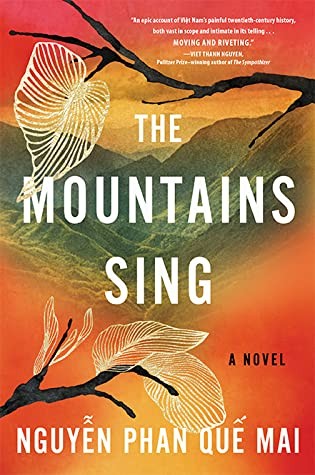
The Mountains Sing tells an enveloping, multigenerational tale of the Trần family, set against the …
"Cruelty dispensed, cruelty served."
This was a sad book about Vietnam. I guess I'm slowly making my way around the world and reading books about all the worst parts in history. I have a thing for stories that need to be heard.
This book uses the dual viewpoints of Trần Diệu Lan in 1920 and her grown granddaughter Hương during the Vietnam War to tell a family story of loss. Trần Diệu Lan had 5 young kids and owned a farm during the land reform period of Vietnam's history. She was ousted from her house, beaten, separated from one of her kids, and the only reason she survived was because of the intervention of a friendly neighbor. Her land and belongings were divided up amongst her village, and she fled with no money and 5 kids to look after. Meanwhile, Hương lives with her grandma, after her uncles, father, and …
"Cruelty dispensed, cruelty served."
This was a sad book about Vietnam. I guess I'm slowly making my way around the world and reading books about all the worst parts in history. I have a thing for stories that need to be heard.
This book uses the dual viewpoints of Trần Diệu Lan in 1920 and her grown granddaughter Hương during the Vietnam War to tell a family story of loss. Trần Diệu Lan had 5 young kids and owned a farm during the land reform period of Vietnam's history. She was ousted from her house, beaten, separated from one of her kids, and the only reason she survived was because of the intervention of a friendly neighbor. Her land and belongings were divided up amongst her village, and she fled with no money and 5 kids to look after. Meanwhile, Hương lives with her grandma, after her uncles, father, and mother left to go fight in the war. Her family slowly comes back, but the war has changed everyone and everything, even her family.
This was a very sad story, written beautifully by the author. Very descriptive, very lyrical, it was easy to get swept up in the descriptions and feelings evoked here. I didn't particularly care for the dual viewpoints, however, because the two voices felt the same in terms of story told. But everything else about the book was fantastic. I learned a lot about Vietnam, especially about the land reform period. Good book.