we are aphantastic and very slow readers, usually reading a bunch of books in parallel.
we mostly read about anarchism, bread, neurodiversity, sci-fi, and cosy fantasy.
our pronouns are it / they (plural).
(Avatar: reading fox emoji, from Volpeon's Neofox emoji set)
A poignant coming-of-age story about a young woman coming into her own as she discovers …
lighthearted discussion of an inner coming out as aromantic and asexual
4 stars
it's a pretty light-hearted read about a girl that thinks she's broken, but with the help of new friends realise she's actually aromantic and asexual!
read it a while ago, after it got recommended in a local aro/ace group (turned out a local library had a translation of this book, but we read it electronically in the English version).
there was a scene about "cheating" that we didn't like so much, but otherwise it was a nice read 💚🖤💜
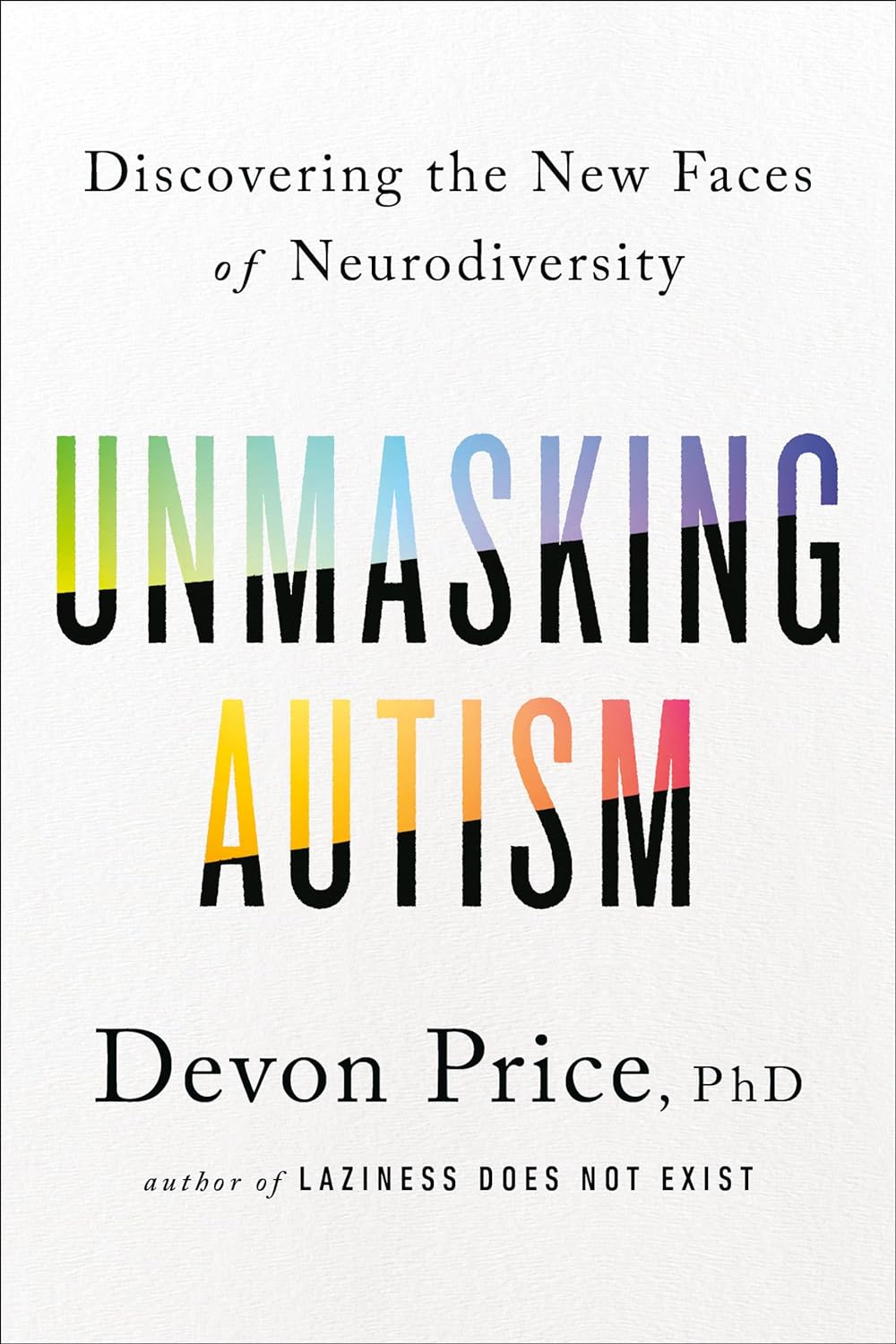
A deep dive into the spectrum of Autistic experience and the phenomenon of masked Autism, …
A book I wish it would be translated into > 50 languages
5 stars
Radical and intriguing, this isn't the common book about Autism that you find in bookshelves, especially not written in languages other than English. This groundbreaking book, written by an Autistic and transgender author, is all about those hidden, 'masked' Autistics, especially from intersectionally marginalised populations, like Black, trans, women and other marginalised genders, and people with other disabilities on top.
Dr. Price takes a radical approach of harm reduction and social justice, identifying how much harm the ableist & capitalist society inflicts on Autistics (and on other neuro-divergent and disabled people, but really on everyone), forcing them into obscuring their disabilities, so that they can conform to 'normality' and function in an alienating, industrial society that punishes our quirks. The book helps neurodivergent people identifying their disability (seen from the social model of disability), and guides neuro-divergent people how they can actualise their own identity and identity their own values …
Radical and intriguing, this isn't the common book about Autism that you find in bookshelves, especially not written in languages other than English. This groundbreaking book, written by an Autistic and transgender author, is all about those hidden, 'masked' Autistics, especially from intersectionally marginalised populations, like Black, trans, women and other marginalised genders, and people with other disabilities on top.
Dr. Price takes a radical approach of harm reduction and social justice, identifying how much harm the ableist & capitalist society inflicts on Autistics (and on other neuro-divergent and disabled people, but really on everyone), forcing them into obscuring their disabilities, so that they can conform to 'normality' and function in an alienating, industrial society that punishes our quirks. The book helps neurodivergent people identifying their disability (seen from the social model of disability), and guides neuro-divergent people how they can actualise their own identity and identity their own values and worthiness. Because society often does not permit this, the book also aims to change society itself.
Throughout the book, we are guided through Heather R. Morgan's Values-Based Integration Process, which I still want to go through, especially as I am about to start a new chapter in my own life.
The only thing I really do not like about the book is that it is only available in English. There are huge knowledge gaps and language barriers when it comes to #ActuallyAustic, as lot of great resources on Autism written by Autistic authors are only available in English. As a consequence, a lot of stereotypes about (especially masked) autism still persist. I think translations of this and similar books could really counter them.
Books written from the perspective of intersectionally are very valuable. Personally, I really enjoyed that the author is transgender himself, and there are a lot of things I could personally identify with in his story and in the stories of the diverse set of interviewed Autistics.
Nice introductory book on bread science and baking
4 stars
The book starts with an introduction to the chemical reactions in bread baking on the molecular level (chapters 1 & 2). The book also outlines the history of bread science, e.g. how models of the gluten structure have developed, and which studies and experiments contributed to the progress.
The second half of the book dedicates a chapter for each step of baking: pre-fermentation, mixing (kneading), fermentation, shaping, proofing, and baking. The chapters explain what (roughly) happens during these steps and makes references back to the first half of the book. Thus, the book explains not only how to bake, but also why to do certain things.
I think I -- a beginner at baking -- learned a lot from this book. As an introduction to the science of bread making (and to baking in general), it is really accessible and sometimes even a bit funny (e.g. due to some hand-drawn …
The book starts with an introduction to the chemical reactions in bread baking on the molecular level (chapters 1 & 2). The book also outlines the history of bread science, e.g. how models of the gluten structure have developed, and which studies and experiments contributed to the progress.
The second half of the book dedicates a chapter for each step of baking: pre-fermentation, mixing (kneading), fermentation, shaping, proofing, and baking. The chapters explain what (roughly) happens during these steps and makes references back to the first half of the book. Thus, the book explains not only how to bake, but also why to do certain things.
I think I -- a beginner at baking -- learned a lot from this book. As an introduction to the science of bread making (and to baking in general), it is really accessible and sometimes even a bit funny (e.g. due to some hand-drawn illustrations and bread comics!). The only negative thing that I notices was the writing style. However, a new edition has been published recently, which apparently improved the style (but without other improvements).
There's more to explore though! For example, there's an entire science/art around sourdough and wholegrain breads. Most of the advice given in the book target breads with (a little) yeast and refined (not wholegrain) flour. For wholegrain bread, for example, it is not advisable to punch the bread, since less gas is developed and you should thus treat the little gas preciously. I'm looking forward to reading a book about sourdough wholegrain bread with a similar focus on theory and praxis.